
Let’s be honest
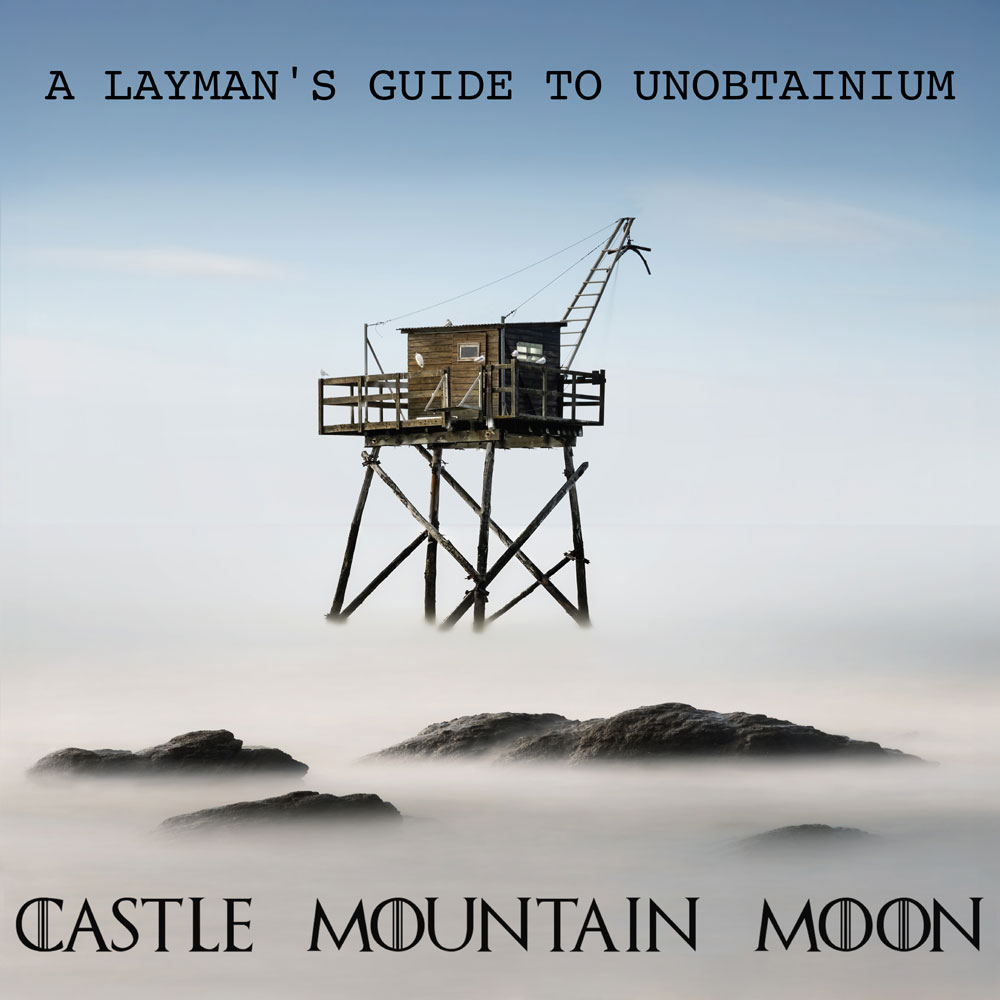 When was the last time an album title made you stop and look up what it actually meant? A Layman’s Guide To Unobtainium did exactly that to me. Not because I’d never come across the term before, but because I found myself wondering why two musicians from Cologne had chosen this rather mysterious word as the title of their second album. After spending just over an hour with the record, my conclusion is simple: they could hardly have chosen a more fitting title.
Because that is precisely what Castle Mountain Moon seem to be exploring. The things we keep searching for, even though we may never truly find them. Choices. Paths. Direction. And sometimes, the strangely comforting feeling of getting completely lost on purpose. Anyone with a soft spot for Progressive Rock will probably recognise that feeling.
The band’s story begins in a surprisingly unassuming way. Towards the end of 2023, Dirk Krause and Ropp Köhler happened to meet in a rehearsal room in Cologne. By day, both work as software developers. What followed sounds like one of those spontaneous ideas that usually disappear after two cups of coffee: “What if we wrote a three-song EP in just three months?” Well… Apparently, the answer was no.
Instead of an EP, they ended up creating their debut album Six Tales Of Perception, a record that not only attracted international attention but also revealed something rather special: two musicians who preferred blending their different musical backgrounds instead of arguing over whose favourite band was the only correct one. A refreshingly likeable approach.
Now Castle Mountain Moon return with A Layman’s Guide To Unobtainium, and it takes only a few minutes to realise that their debut was anything but a lucky accident.
 Between Maps and Life’s Crossroads

If the word Unobtainium immediately makes you think of James Cameron’s Avatar, you’re not entirely wrong. Castle Mountain Moon, however, are far less interested in a mysterious fictional mineral than they are in something far more human: our endless search for direction. Maps, roads and choices weave their way through the entire album, providing all eleven songs with a common thread without ever feeling forced or overly conceptual.
The opening track, Guide To Unobtainium, immediately sets the tone. Symphonic keyboards ease the album into life before guitars and the rhythm section gradually take over. Rather than trying to impress the listener with technical fireworks from the very first minute, the band chooses to build atmosphere and anticipation. Dirk Krause’s vocals feel reassuringly grounded throughout, serving the story rather than demanding centre stage. It suits the album perfectly.
Real? raises the energy considerably. Heavier guitars push the song towards a more contemporary Prog sound, while the keyboards continually introduce melodic contrasts. At times, subtle echoes of bands like Riverside or Frost* appear, yet Castle Mountain Moon never sound like they’re borrowing someone else’s identity. The influences are there if you listen closely, but their own musical voice remains firmly intact.
By the time Maps Pt. 1 arrives, it becomes obvious that this album isn’t just built around music — it’s built around storytelling. The song explores choices, crossroads and the consequences of deciding which path to follow. A familiar feeling for anyone who has ever been absolutely convinced they were heading in the right direction… only for the sat-nav to interrupt with a cheerful “Please make a U-turn.” Progressive Rock and real life occasionally have more in common than we’d like to admit.
Musically, the track strikes an impressive balance. Expansive keyboard textures gradually give way to a stronger rhythmic pulse, while Dirk Krause delivers the reflective lyrics with admirable restraint. After all, not every emotion has to be shouted from the rooftops to make itself heard.
When Ten Minutes Suddenly Don’t Feel Like Ten Minutes
The centrepiece of the album is undoubtedly Valley Of The Deep. Ten minutes can sometimes feel like an eternity. Anyone who’s ever been trapped in a customer service queue knows exactly what I mean. Here, quite the opposite happens. Castle Mountain Moon make every single minute count. Electronic textures drift almost imperceptibly into symphonic passages, while Hammond organ and guitars work together rather than competing for attention. What impressed me most is how naturally the frequent shifts in rhythm unfold. Nothing feels forced, nothing sounds as though it exists simply because Progressive Rock supposedly demands it. Instead, the composition grows organically, inviting the listener along for the journey without constantly waving its musical credentials in front of them. And that’s exactly where one of this album’s greatest strengths lies.
There’s no question that Dirk Krause and Ropp Köhler are exceptionally capable musicians. You can hear that in virtually every track. Thankfully, though, they never feel the need to parade those abilities like a freshly polished trophy. Quite a few Progressive Rock albums would probably benefit from following that particular example.
Maps Pt. 2 then returns to the album’s central theme. A delicate piano introduction gradually opens the door to another beautifully crafted composition. Mellotron textures bring that unmistakable warmth fans of classic Symphonic Prog will immediately recognise, while Gerry Wassong’s wonderfully nuanced drumming provides exactly the right amount of movement and momentum beneath it all. It’s this combination of memorable melodies, thoughtful arrangements and understated virtuosity that makes Castle Mountain Moon such a rewarding listen. At no point do they seem interested in proving how complicated Progressive Rock can be. They’d much rather show how beautiful it can sound.
The Map Continues
With Sadness, the album deliberately eases off the throttle. And it’s exactly the right decision. Progressive Rock is often associated with technical brilliance, yet it’s easy to overlook those songs whose greatest strength lies in their restraint. Sadness belongs firmly in that category. The piano forms a delicate foundation over which Dirk Krause’s vocals unfold with remarkable grace. Nothing feels artificially dramatic, and at no point does the song try to force an emotional reaction. Instead, it quietly builds an atmosphere that lingers long after the final note has faded. Ropp Köhler also deserves special praise here, once again proving that sometimes the most powerful notes are the ones that are never played.
 With Before My Eyes, the focus shifts back towards the album’s narrative. Acoustic guitars gently introduce one of the most reflective songs on the record before the arrangement gradually opens up. It’s a song about perception, reality and just how easily we can fool ourselves. Dirk Krause delivers the lyrics with remarkable sincerity. His voice never feels like it’s trying to impress the listener — it simply wants to tell the story. And that’s precisely why it’s so engaging.
Exit Right then catches you pleasantly off guard with several unexpected twists and turns. Just when you think you’ve figured out where the song is heading, it quietly changes direction. Perhaps that’s why it’s called Exit Right. At least, by this point, nothing would surprise me anymore. Moments like these reveal just how much care has gone into the arrangements. Changing time signatures, shifting dynamics and a beautifully judged guitar solo all come together in a song that remains wonderfully coherent despite its complexity. Not every Progressive Rock band manages that balancing act.
With Scene Of A Crime, the album ventures into darker emotional territory. From the opening keyboard textures onwards, an almost haunting atmosphere begins to emerge. The story of a house that has ceased to feel like a home after suffering a profound loss becomes one of the record’s most moving moments. Once again, Castle Mountain Moon demonstrate admirable restraint. Rather than relying on endless notes to manufacture emotion, they allow melody, space and subtle musical gestures to do the heavy lifting. Sometimes, that’s far more effective.
Finally, we arrive at Dreamers. And honestly, I struggle to imagine a more fitting conclusion. The song reflects on those who continue chasing their dreams despite disappointment and setbacks. After an album built around choices, direction and the pursuit of the seemingly unattainable, it feels like the natural destination. Musically, Castle Mountain Moon remain true to themselves. Piano, strings, guitars and vocals blend effortlessly, bringing the album to a close with warmth and quiet confidence rather than unnecessary bombast.
 The Album as a Whole

The longer I spent with A Layman’s Guide To Unobtainium, the less I found myself thinking about individual songs. Oddly enough, that’s one of the biggest compliments I can pay it. Of course, every track has its own identity. Guide To Unobtainium opens the journey with quiet confidence, Valley Of The Deep provides the progressive centrepiece, Sadness offers an emotional pause for reflection, while Dreamers closes the story beautifully. Yet this album reveals its greatest strength when experienced from beginning to end.
Perhaps that’s exactly the point. Castle Mountain Moon aren’t telling eleven separate stories. They’re telling one story across eleven chapters. It never feels over-intellectual or as though the band desperately wanted to create a concept album for the sake of calling it one. Instead, the music and the concept seem to have discovered each other quite naturally.
There’s something else I admire as well. In an age where so many albums seem desperate to shout “Look at me!” within the first twenty seconds, A Layman’s Guide To Unobtainium remains refreshingly patient. It trusts the listener to come to it rather than demanding immediate attention. That may seem almost old-fashioned these days. Personally, I consider that a compliment.
Conclusion
With their second album, Castle Mountain Moon demonstrate that Progressive Rock can still surprise in 2026 without constantly trying to reinvent itself. These are intelligent, carefully crafted songs that never allow technical ability to overshadow musicality. Dirk Krause’s expressive vocals, Ropp Köhler’s wonderfully tasteful keyboard arrangements and Gerry Wassong’s sensitive drumming fit together with remarkable ease.
Or, to borrow the album’s own imagery: a good map isn’t one that dictates every single step. It’s one that makes you want to discover the journey for yourself.
That’s exactly what A Layman’s Guide To Unobtainium achieves.
Perhaps the album’s greatest achievement isn’t that it provides all the answers.
Perhaps it’s that it asks exactly the right questions.
And sometimes, that’s the finest compass Progressive Rock could possibly offer.
Release Information
Artist: Castle Mountain Moon
Album: A Layman’s Guide To Unobtainium
Release Date: September 4, 2026
Genre: Progressive Rock • Crossover Prog • Symphonic Prog
Label: Independent Release
Country: Germany (Cologne)
Line-up & Production
Dirk Krause: Vocals, Guitars, Bass
Ropp Köhler: Keyboards
Guest Musician
Gerry Wassong: Drums
Compositions: Dirk Krause & Ropp Köhler
Produced by: Dirk Krause & Ropp Köhler
Mixed by: Dirk Krause & Ropp Köhler
Cover Photography: Ulla Moswald Photography
Track Listing
- Guide To Unobtainium
- Real?
- Maps Pt. 1
- Valley Of The Deep
- Maps Pt. 2
- Sadness
- Before My Eyes
- Exit Right
- Scene Of A Crime
- Dreamers
- Reprise
Buy the Album and Support Castle Mountain Moon
Official Website https://cmm-music.de
Bandcamp https://castlemountainmoon.bandcamp.com/
Bandcamp – Six Tales Of Perception https://castlemountainmoon.bandcamp.com/album/six-tales-of-perception
Castle Mountain Moon on the Web
Facebook https://www.facebook.com/castlemountainmoon
Instagram https://www.instagram.com/castle_mountain_moon
YouTube https://www.youtube.com/@castle-mountain-moon
Spotify https://open.spotify.com/intl-de/album/5O9ucsqciku9VLp7vEvBPO?si=FoiSziqWQDe97VDU2pyKcg
Apple Music https://music.apple.com/us/artist/castle-mountain-moon/1754511836
 Where It All Began
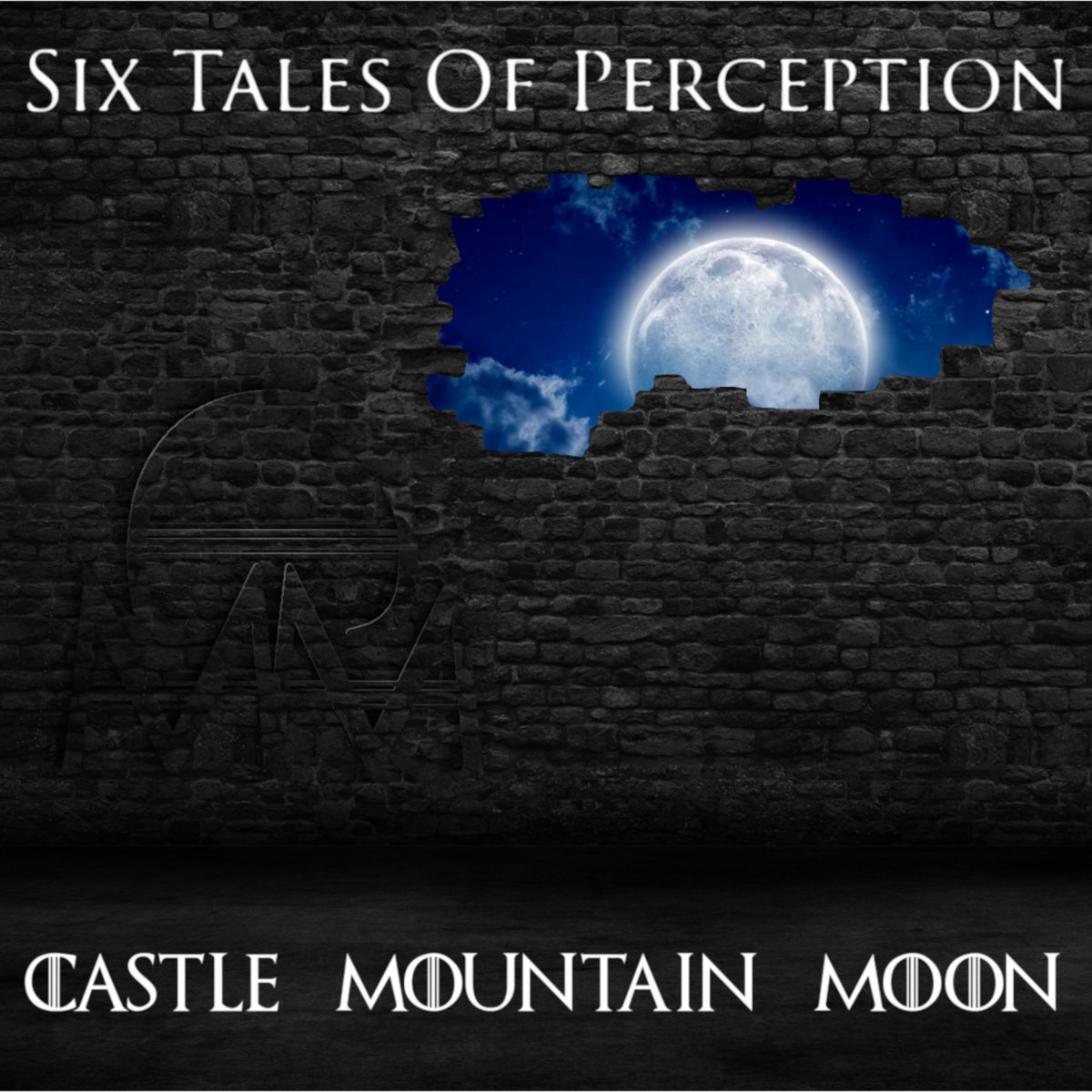
Before expanding their musical map with A Layman’s Guide To Unobtainium, Dirk Krause and Ropp Köhler first introduced themselves to the Progressive Rock community with their debut album Six Tales Of Perception. If you’d like to discover where this musical journey began, their first release is well worth exploring.
Bandcamp – Six Tales Of Perception https://castlemountainmoon.bandcamp.com/album/six-tales-of-perception
Text: André Fedorow Founder & Editor-in-Chief – Sound of Prog Magazine & Radio